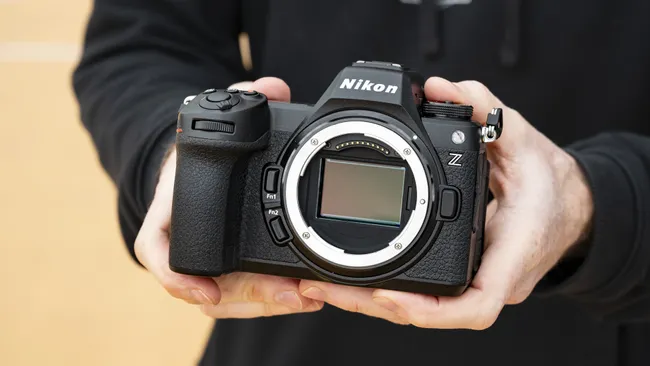
HOW TO CHOOSE THE BEST FULL-FRAME CAMERA After years of testing cameras across all formats, I can confidently say that full-frame models consistently deliver the highest quality images in any lighting. Based on recent reviews by myself and my expert team, the best full-frame models in 2025 go even further: they also offer exceptional performance and handling. And while several sit firmly in the professional tier, there are many that now make full-frame more accessible. If I had to choose one standout performer based on my team’s feedback, it would be the Nikon Z6 III. In testing, it proved capable of covering just about everything, including 6K video. A partially stacked sensor unlocks rapid frame rates for action photography, too. It’s a seriously impressive full-frame camera, although there are more affordable alternatives in our guide, including Nikon’s own Z5 II. Whether you plan to shoot sports, landscapes or a variety of subjects, we’ve tried to cover all bases with our selection below, including a range of budgets. My team and I have spent hours testing every camera in this guide first-hand. So whichever full-frame camera meets your requirements, you know that our recommendations are all based on reliable, real-world experience. WHY YOU CAN TRUST TECHRADAR’S CHOICES My team and I have been testing cameras for more than a decade, from the earliest mirrorless models to today’s pro-grade hybrids. Each of us has a deep, practical understanding of what makes a good full-frame camera. That’s thanks to our in-depth testing process: we review every camera in the field, not just controlled conditions. That means shooting portraits, landscapes, low-light scenes and video to see how each camera performs in the kind of scenarios you’re likely to encounter as a user. This approach also gives us the opportunity to authentically evaluate factors such as handling, battery life and usability, while a detailed inspection of the resulting images lets us appraise noise-handling, stabilization and overall quality. Our team is completely independent and all of our insights come from personal experience. Only full-frame cameras that genuinely impress us will make the cut. When we say that a full-frame camera is worth your attention, it’s because it’s proven itself in our tests, which should give you confidence in our recommendations. ═══════════════════════════════════════════════════════════════════════════════ TOP 3 PICKS The summary below gives you an instant overview of the best full-frame cameras for every budget. ┌──────────────────────────────────────────────────────────────────────────────┐ │ THE BEST FULL-FRAME MIRRORLESS │ │ Nikon Z6 III │ ├──────────────────────────────────────────────────────────────────────────────┤ │ Reliable autofocus, 6K recording and rapid frame rates courtesy of a │ │ partially stacked sensor make the Z6 III a winner across the board for │ │ stills and video. │ └──────────────────────────────────────────────────────────────────────────────┘ ┌──────────────────────────────────────────────────────────────────────────────┐ │ THE BEST FULL-FRAME CANON │ │ Canon EOS R5 Mark II │ ├──────────────────────────────────────────────────────────────────────────────┤ │ Faster and more feature-packed, the Mark II harnesses a stacked sensor and │ │ second processor for rapid burst speeds and near-perfect autofocus. │ └──────────────────────────────────────────────────────────────────────────────┘ ┌──────────────────────────────────────────────────────────────────────────────┐ │ THE BEST BEGINNER FULL-FRAME │ │ Nikon Z5 II │ ├──────────────────────────────────────────────────────────────────────────────┤ │ A competent camera at a competitive price, the upgraded Z5 II offers │ │ fantastic value for first-time full-frame buyers, borrowing AF from │ │ pricier Nikon models. │ └──────────────────────────────────────────────────────────────────────────────┘ ═══════════════════════════════════════════════════════════════════════════════ BEST BY USE-CASE ┌───────────────────────────────────┬──────────────────────────────────────────┐ │ THE BEST FOR FULL-FRAME VIDEO │ THE BEST SONY FULL-FRAME CAMERA │ │ Panasonic Lumix S1 II │ Sony A7R V │ ├───────────────────────────────────┼──────────────────────────────────────────┤ │ A supercharged Lumix made with │ With a dedicated AI chip for improved │ │ video in mind, the S1 II packs an │ subject detection autofocus, plus a │ │ arsenal of video modes, superb │ 61MP sensor, the A7R V delivers stills │ │ stabilization, plus Panasonic’s │ with unmatched detail. │ │ best ever autofocus. │ │ └───────────────────────────────────┴──────────────────────────────────────────┘ ┌───────────────────────────────────┬──────────────────────────────────────────┐ │ THE BEST FULL-FRAME FOR SPORTS │ THE BEST FULL-FRAME COMPACT │ │ Sony A9 III │ Leica Q3 │ ├───────────────────────────────────┼──────────────────────────────────────────┤ │ An innovative camera with a │ No other compact camera can match the │ │ global shutter, the A9 III offers │ superior performance, build quality and │ │ Sony’s fastest ever burst speeds, │ tactile handling of the Leica Q3 – │ │ most reliable autofocus and not a │ which also explains the price tag. │ │ hint of distortion. │ │ └───────────────────────────────────┴──────────────────────────────────────────┘ ┌───────────────────────────────────┬──────────────────────────────────────────┐ │ THE BEST BUDGET FULL-FRAME │ THE BEST FULL-FRAME DSLR │ │ Canon EOS RP │ Nikon D850 │ ├───────────────────────────────────┼──────────────────────────────────────────┤ │ Well-built and generously │ Not every spec is cutting edge, but a │ │ equipped, the EOS RP isn’t a │ high-res sensor plus huge battery life, │ │ video star but it offers great │ a rugged build and great handling make │ │ value for stills photographers, │ the D850 our favorite full-frame DSLR. │ │ with a generous buffer and │ │ │ capable AF. │ │ └───────────────────────────────────┴──────────────────────────────────────────┘ ═══════════════════════════════════════════════════════════════════════════════ EXPERT INSIGHT Tim is TechRadar’s Cameras Editor. With more than 15 years’ experience as a photographer and journalist, Tim has shot with many of the best full-frame cameras. As a result, he’s acquired a comprehensive practical knowledge of what makes a full-frame camera worth considering. He notes, “almost all of the best full-frame cameras in 2024 are mirrorless models, but you’ll also find a handful of capable DSLR options in our list. Most of these are hybrids designed to shoot both images and video, but if photography is your focus, you’ll find better value from a stills-focused camera.” ═══════════════════════════════════════════════════════════════════════════════ BEST FULL-FRAME CAMERAS IN 2025 Below you’ll find full write-ups for each of the best full-frame cameras in our list. We’ve tested each one extensively, so you can be sure that our recommendations can be trusted. ═══════════════════════════════════════════════════════════════════════════════ 1. THE BEST MIRRORLESS FULL-FRAME CAMERA NIKON Z6 III SPECIFICATIONS ──────────────────────────────────────────────────────────────────────────────── Sensor: 24.5MP full-frame Video: 6K 60fps / 4K 120fps Burst shooting: 20fps mechanical / 120fps electronic Viewfinder: 5.76m-dot OLED EVF Screen: 3.2-inch vari-angle touchscreen, 2.1m dots Image stabilization: 5-axis, up to 8 stops Weight: 24oz / 680g (body only) BUY IT IF… DON’T BUY IT IF… ──────────────────────────────────────────────────────────────────────────────── ✅ You want to shoot fast ❌ You need the highest resolution Thanks to a partially stacked sensor, The Z6 III produces high-quality the Z6 III benefits from rapid shooting stills, but its 24.5MP sensor doesn’t speeds, including up to 120fps burst deliver the cropping potential of rates. higher resolution cameras. ✅ You shoot stills and video ❌ You have a tight budget The Z6 III has a strong hit-rate when It’s cheaper than the likes of the Z8 it comes to high-quality images, plus and Z9, but there are still more it can record 6K footage at up to 60fps. affordable routes to full-frame ownership featured in this list. REVIEW SUMMARY ──────────────────────────────────────────────────────────────────────────────── Hitting a sweet spot between affordability and performance, the Nikon Z6 III is the best all-round full-frame camera we’ve tested this year. While its 24.5MP resolution hasn’t changed from the Z6 II, the sensor is now partially stacked. That makes it a real speed demon, delivering burst rates up to 120fps (with a few caveats) and a reliable 20fps at full resolution. Autofocus also proved superb in testing, on par with the Z8 and Z9, helping the Z6 III consistently nail moving subjects whether shooting sports, wildlife or action. Image quality is technically the same, but we found that the improvements make it easier to capture shots you might have missed before. Video has also taken a leap, with 6K recording at 60fps now available, as well as 4K at up to 120fps. You also get Nikon’s best-ever EVF and a new articulating touchscreen. If you want the best full-frame camera for covering anything that moves, I think the Z6 III sets a new benchmark for hybrid shooting at this level. This is a fast, do-it-all camera with few compromises at a fair price. TOP ALTERNATIVES ──────────────────────────────────────────────────────────────────────────────── • Sony A7 IV – A few years old, but still one of the best full-frame hybrids you can buy. A rumored A7 V could soon shake things up. • Canon EOS R6 II – A close competitor with a similar resolution, superb autofocus and effective stabilization, though its frame rates can’t compete. ═══════════════════════════════════════════════════════════════════════════════ 2. THE BEST CANON FULL-FRAME CAMERA CANON EOS R5 MARK II SPECIFICATIONS ──────────────────────────────────────────────────────────────────────────────── Sensor: 45MP full-frame stacked Video: 8K 30fps / 4K 120fps Burst shooting: 30fps electronic / 12fps mechanical Viewfinder: 5.76m-dot OLED EVF Screen: 3.2-inch vari-angle touchscreen, 2.1m dots Image stabilization: 5-axis, up to 8.5 stops Weight: 26.6oz / 755g (body only) BUY IT IF… DON’T BUY IT IF… ──────────────────────────────────────────────────────────────────────────────── ✅ You want a user-friendly pro camera ❌ You’re serious about video Despite its pro performance, the EOS The EOS R5 Mark II has respectable R5 Mark II has intuitive physical video skills, but if filmmaking is controls and a simplified menu system, your main priority, you’d be better making it an accessible option. served by a full-frame camera specifically for video. ✅ You want a camera for every situation ❌ You want an affordable camera Packed with features and performance, It’s well-priced in relative terms, the EOS R5 Mark II has the capabilities but the EOS R5 Mark II is by no means to cover landscapes, sports and cheap. You’ll get better value by everything in between. dropping down to an APS-C sensor. REVIEW SUMMARY ──────────────────────────────────────────────────────────────────────────────── We called the original EOS R5 Canon’s “best ever stills camera.” The Mark II improves on it in almost every way. While the resolution remains 45MP, the second-generation R5 uses a stacked sensor for faster readouts. The result in practise is a slight loss in dynamic range, but a reduction in rolling shutter. It also deploys a second processor to increase burst speeds to an action-ready 30fps. Paired with near-perfect autofocus, which includes an Action Priority feature that uses algorithms to pre-empt events, the EOS R5 Mark II barely missed a shot in testing. We found its weather-sealed chassis robust in the hand, with intuitive physical controls matched by an equally navigable menu system. There are several new in-camera editing tools, too, although their usefulness will depend on how you shoot. Upscaling only works for images shot as JPEG/HEIF, while the Neural Network Noise Reduction feature can denoise stills, as long as they’re RAW files. We think the only caveat of note is that Eye Control AF is tricky for some users to calibrate. In pretty much every other respect, the EOS R5 Mark II is arguably Canon’s most versatile pro camera to date. TOP ALTERNATIVES ──────────────────────────────────────────────────────────────────────────────── • Nikon Z8 – A slightly larger rival with almost identical specs and performance across both stills and video. Just has the edge for low-light and landscape photography. • Sony A1 II – The R5 II’s main competitor for professionals chasing speed and resolution, but expect to pay a serious premium for it. ═══════════════════════════════════════════════════════════════════════════════ 3. THE BEST FULL-FRAME CAMERA FOR BEGINNERS NIKON Z5 II SPECIFICATIONS ──────────────────────────────────────────────────────────────────────────────── Sensor: 24.5MP full-frame Video: 4K 60fps / FHD 120fps Burst shooting: 11fps mechanical / 30fps electronic Viewfinder: 3.69m-dot OLED EVF Screen: 3.2-inch vari-angle touchscreen, 1.04m dots Image stabilization: 5-axis, up to 5 stops Weight: 23.5oz / 665g (body only) BUY IT IF… DON’T BUY IT IF… ──────────────────────────────────────────────────────────────────────────────── ✅ You want a good value all-rounder ❌ You need a high-res sensor A host of upgrades make the Z5 II a The Z5 II’s 24.5MP sensor produces stellar full-frame camera, nailing excellent stills, but you’re better the balance between price and looking elsewhere if you need lots of performance. cropping potential. ✅ You’re buying your first full-frame ❌ You need more video flexibility camera 4K recording will be fine for casual If you’re new to full-frame photography, users, but the Z6 III offers a lot the Z5 II gives you a lot of room to more flexibility when it comes to grow at a fair price. video modes and codecs. REVIEW SUMMARY ──────────────────────────────────────────────────────────────────────────────── Nikon’s latest ‘entry-level’ full-frame camera is a far more capable tool than its label suggests. Essentially a mid-range model in beginner-friendly packaging, it’s built around the same Expeed 7 processor as higher-end Z-series bodies. That unlocks subject detection autofocus that proved fast, accurate and sticky in our tests. We also praised its robust build and sound ergonomics in our review. Both the EVF and image stabilization were excellent, too. Its 24.5MP resolution might sound modest, but we found that JPEGs out of the camera are some of Nikon’s best ever, thanks in part to the useful Picture Control button and support for custom recipes. Video is good rather than great, with a 1.5x crop on 4K 60p video, but the quality at full-width 4K 30p is still impressive for a camera at this level. It is pricier than the original Z5, but I think the upgrades more than justify the cost. This is a camera that feels and performs like a mid-range model. If you’re buying full-frame for the first time, there’s a huge amount on offer from the Z5 II. TOP ALTERNATIVES ──────────────────────────────────────────────────────────────────────────────── • Canon EOS R8 – A lighter, cheaper entry point into full-frame shooting, though its single card slot, smaller battery and lack of stabilization limit flexibility. • Panasonic Lumix S9 – Compact, affordable and stacked with video features, this is a great alternative if you value portability over a traditional viewfinder. ═══════════════════════════════════════════════════════════════════════════════ 4. THE BEST FULL-FRAME CAMERA FOR VIDEO PANASONIC LUMIX S1 II SPECIFICATIONS ──────────────────────────────────────────────────────────────────────────────── Sensor: 24.2MP full-frame Video: 6K 30fps / 4K 60fps / FHD 180fps Burst shooting: 70fps electronic / 9fps mechanical Viewfinder: 5.76m-dot OLED EVF Screen: 3-inch fully articulating touchscreen, 1.84m dots Image stabilization: 5-axis, up to 6.5 stops (8 stops with Active IS) Weight: 28.3oz / 801g (body only) BUY IT IF… DON’T BUY IT IF… ──────────────────────────────────────────────────────────────────────────────── ✅ You want a flexible video camera ❌ You mainly shoot stills With an arsenal of resolutions, aspect The S1 II is geared towards video. If ratios, bitrates, codecs and formats, you only record casually or largely the Lumix S1 II offers huge filmmaking capture stills, you’ll be better flexibility. served by other options. ✅ You shoot video and some stills ❌ You want the best value A partially stacked sensor, plus The S1 II is unusually expensive for supercharged autofocus and a Lumix model. It’s a proper video stabilization are most effective for powerhouse, but other models are more video, but also work for stills. affordable. REVIEW SUMMARY ──────────────────────────────────────────────────────────────────────────────── When I tested the Lumix S5 II, I thought Panasonic had nailed the formula for a full-frame video hybrid. The Lumix S1 II takes that base and dials everything up a notch. It’s the most powerful and capable Lumix camera I’ve ever tested, and one of the most complete full-frame video cameras you can buy. Its arsenal of aspect ratios, codecs and frame rates is simply unparalleled, giving videographers huge flexibility for shooting and editing 6K footage. In my tests, Dynamic Boost also produced some of the best, most detail-rich video out of the camera I’ve seen from a hybrid. This is all helped by Panasonic’s best-ever autofocus and class-leading image stabilization. It can do stills too, with a new partially stacked sensor delivering 70fps burst speeds, though photographers with only a casual interest in video are better off elsewhere. The downside of the S1 II is that it moves away from the budget-friendly approach of previous Lumix models. I also found battery life mediocre. Still, if you’re happy to shell out for a video powerhouse, I can’t think of a camera that produces better results for the money. TOP ALTERNATIVES ──────────────────────────────────────────────────────────────────────────────── • Panasonic Lumix S5 II – A smaller, more affordable mirrorless hybrid that shares much of the S1 II’s video DNA in a lighter body, making it ideal for casual users. • Blackmagic Cinema Camera 6K – Built for filmmakers, with a superb 12-bit codec that unlocks huge editing potential, without the hybrid flexibility or user-friendliness of the S1 II. ═══════════════════════════════════════════════════════════════════════════════ 5. THE BEST SONY FULL-FRAME CAMERA SONY A7R V SPECIFICATIONS ──────────────────────────────────────────────────────────────────────────────── Sensor: 61MP full-frame Video: 8K 24fps / 4K 60fps Burst shooting: 10fps mechanical Viewfinder: 9.44m-dot OLED EVF Screen: 3.2-inch 4-axis articulating touchscreen, 2.1m dots Image stabilization: 5-axis, up to 8 stops Weight: 23.8oz / 675g (body only) BUY IT IF… DON’T BUY IT IF… ──────────────────────────────────────────────────────────────────────────────── ✅ You need high-resolution stills ❌ You can’t afford the best glass With a 61MP sensor at its disposal, few This is a high-end camera that needs full-frame cameras can rival the A7R V to be matched with professional glass for outright detail, whether you’re to get the best results, which means shooting in the studio or on location. further outlay. ✅ You want reliable subject detection ❌ You don’t need the resolution Powered by AI, the A7R V is blessed with Most enthusiasts will find that a 40MP reliable subject recognition autofocus full-frame sensor will offer more than that can effectively detect and track enough detail for their needs, at a people. more accessible price. REVIEW SUMMARY ──────────────────────────────────────────────────────────────────────────────── Like the A7R IV, the Sony A7R V shoots stills at a resolution of 61MP. In testing, we found that the combination of its Exmor R sensor and Bionz XR processor captures class-leading detail, paired with impressive ISO handling. The A7R V also benefits from a number of upgrades which make it a better full-frame camera overall. One is the 4-axis articulating touchscreen, which is a useful addition for framing, whether you’re shooting stills or video. While the huge pixel count means the A7R V is a fantastic choice for studio or landscape work, up to eight stops of image stabilization also make it a viable option for shooting handheld. AI-powered subject detection AF performed well in our review, proving reliable and effective at tracking targets. 4K video tops out at 60fps, while 10fps burst speeds are bettered by rivals. But if it’s detail that matters, you won’t get more elsewhere – though it’s worth noting that the A7R V needs to be paired with top-tier glass to deliver its best. TOP ALTERNATIVES ──────────────────────────────────────────────────────────────────────────────── • Nikon Z7 II – Lower resolution sensor and EVF, but still delivers excellent detail and dynamic range, at a more approachable price for pros. • Leica SL3 – A beautiful full-frame alternative with stunning design and build quality. Others offer better value, but the experience is unrivalled. ═══════════════════════════════════════════════════════════════════════════════ 6. THE BEST FULL-FRAME CAMERA FOR SPORTS SONY A9 III SPECIFICATIONS ──────────────────────────────────────────────────────────────────────────────── Sensor: 24.6MP full-frame global shutter Video: 4K 120fps Burst shooting: 120fps with full AF/AE Viewfinder: 9.44m-dot OLED EVF Screen: 3.2-inch fully articulating touchscreen, 2.1m dots Image stabilization: 5-axis, up to 8 stops Weight: 23.8oz / 675g (body only) BUY IT IF… DON’T BUY IT IF… ──────────────────────────────────────────────────────────────────────────────── ✅ You want the pinnacle of speed ❌ You want low-light quality With an innovative global shutter, the The A9 III sacrifices outright dynamic A9 III sets a new benchmark for speed, range and noise performance in favor with 120fps burst shooting and Sony’s of speed, which means you’ll get best-ever autofocus. better low-light results from other cameras. ✅ You want modular flexibility ❌ You’re happy with 30fps The A9 III has a compact body that can Rivals can shoot at 30fps with full be expanded using a vertical grip, autofocus and auto exposure. If your giving you the flexibility to shoot work doesn’t demand the performance of small or boost battery life. the A9 III, those will offer better value. REVIEW SUMMARY ──────────────────────────────────────────────────────────────────────────────── One of the more exciting mirrorless camera developments of recent years can be found in the Sony A9 III, which comes equipped with a global shutter. You can learn more about this tech in our in-depth review, but the result is fastest-ever burst shooting up to 120fps in full-quality, zero distortion in fast-moving subjects, and flash sync at any shutter speed. From our hours spent with it, the performance can only be described as next-generation. There is a slight image quality trade-off in using a global shutter which means the A9 III isn’t for everyone – especially if you don’t need its industry-leading performance – but it’s undoubtedly the best mirrorless camera for high-speed action and flash photography, backed up with the most reliable autofocus we’ve ever used. We also think the A9 III is Sony’s best-designed mirrorless camera yet, although the use of slower CFexpress type A cards is a bottleneck preventing the best possible performance. Still, the A9 III is one of the most fascinating cameras around right now. TOP ALTERNATIVES ──────────────────────────────────────────────────────────────────────────────── • Canon EOS R1 – Canon’s answer to the A9 III, designed for sports and action photographers and built for the rigors of professional use. • Nikon Z9 – Nikon’s most powerful camera ever delivers rapid frame rates at a higher resolution than the Sony A9 III, plus class-leading durability and battery life. ═══════════════════════════════════════════════════════════════════════════════ 7. THE BEST COMPACT FULL-FRAME CAMERA LEICA Q3 SPECIFICATIONS ──────────────────────────────────────────────────────────────────────────────── Sensor: 61MP full-frame Lens: Fixed Summilux 28mm f/1.7 ASPH Video: 8K 30fps / 4K 60fps Burst shooting: 15fps Viewfinder: 5.76m-dot OLED EVF Screen: 3-inch tilting touchscreen, 1.84m dots Image stabilization: 5-axis, up to 5 stops Weight: 23.7oz / 672g (with lens) BUY IT IF… DON’T BUY IT IF… ──────────────────────────────────────────────────────────────────────────────── ✅ You want a quality everyday camera ❌ You’re on a budget There is no better premium compact than For all its unique traits, there’s no the Leica Q3, with its pin-sharp lens, escaping that the Leica Q3 is a full-frame sensor and tidy Leica serious investment for a premium packaging. compact, even if it’s relatively reasonable for the brand. ✅ You like a tactile shooting experience ❌ You want high-end performance With a beautifully minimalist yet The Q3 delivers impressive results, satisfyingly tactile interface with but its capabilities are designed for robust dials, this is a very satisfying everyday street shooting, rather than camera to shoot with. anything professional. REVIEW SUMMARY ──────────────────────────────────────────────────────────────────────────────── Our favorite camera to use in 2023 wasn’t a Sony or Canon, but the high-end Leica Q3. Calling it a compact camera is a bit of a stretch: it’s the same size as many full-frame mirrorless cameras with a pancake lens attached, such as the Panasonic Lumix S5 II. But because the Q3 has a built-in Summilux 28mm f/1.7 ASPH fixed lens, we think it’s a superb everyday camera. The lens in particular is a fantastic bit of design, capable of manual and autofocus. We found it super sharp in testing too, complementing the class-leading 61MP full-frame sensor. With that high-resolution sensor, we found that the Q3 can comfortably crop into full-size pictures, recreating the perspective of lenses all the way up to 90mm (albeit with reduced image size). Most of all, the Leica Q3 offers a premium tactile shooting experience that the best camera phones can’t hope to match. Being a red dot camera the Q3 is pricey, but it’s not too bad for Leica and is regularly on back-order, such is its popularity. If you want the a full-frame camera to always take with you, the Q3 should be high up the list. TOP ALTERNATIVES ──────────────────────────────────────────────────────────────────────────────── • Leica Q3 43 – An alternative version of Leica’s compact with a 43mm focal length that’s perfect for pin-sharp portraits and street photography. • Sony RX1R III – Ultra-compact and ultra-expensive, the RX1R III squeezes a 61MP full-frame sensor into an impossibly small body with a fixed 35mm lens. ═══════════════════════════════════════════════════════════════════════════════ 8. THE BEST BUDGET FULL-FRAME CAMERA CANON EOS RP SPECIFICATIONS ──────────────────────────────────────────────────────────────────────────────── Sensor: 26.2MP full-frame Video: 4K 25fps / FHD 60fps Burst shooting: 5fps mechanical Viewfinder: 2.36m-dot OLED EVF Screen: 3-inch fully articulating touchscreen, 1.04m dots Image stabilization: None (lens-based only) Weight: 17.3oz / 490g (body only) BUY IT IF… DON’T BUY IT IF… ──────────────────────────────────────────────────────────────────────────────── ✅ You have a relatively low budget ❌ You plan to shoot a lot of video With a capable sensor, compact body and The EOS RP can capture sharp 4K reliable autofocus, the EOS RP offers footage, but rolling shutter and a very good full-frame value for money. heavy crop limits its potential for videography. ✅ You want a stills camera ❌ You need in-body image stabilization With big pixels that price quality The EOS RP doesn’t benefit from images, plus a generous buffer and solid sensor-based image stabilization, so autofocus performance, this is a you’ll need a stabilized lens for pin- photographer’s camera. sharp shots. REVIEW SUMMARY ──────────────────────────────────────────────────────────────────────────────── If you’re a Canon fan looking to shift to a full-frame system, I think the EOS RP offers excellent value for money. It’s relatively affordable, yet also meets all the core competencies that I’d look for in a budget full-frame camera. In our full review back in 2019, it impressed with solid autofocus performance and a buffer better than quoted. Image quality also proved very good, while the compact, lightweight magnesium alloy chassis felt suitably robust. There are several newer full-frame cameras in this list, many of which offer better video performance. A crop on 4K video, as well as rolling shutter, means the RP is a flawed choice if filmmaking is your priority. It’s also hampered slightly by a lack of in-body image stabilization and average battery life. That being said, the RP remains a compelling option for the money. It’s now more affordable than ever, with a better native lens selection than at launch. If you want a tidy full-frame camera on a tight budget, it’s my pick. TOP ALTERNATIVES ──────────────────────────────────────────────────────────────────────────────── • Nikon Z5 – Succeeded by the Z5 II and cheaper as a result, the RP’s closest rival offers dual card slots and in-body image stabilization. • Panasonic Lumix S9 – A video-first compact with tidy dimensions and impressive features for film-makers, if you can live without a viewfinder. ═══════════════════════════════════════════════════════════════════════════════ 9. THE BEST FULL-FRAME DSLR NIKON D850 SPECIFICATIONS ──────────────────────────────────────────────────────────────────────────────── Sensor: 45.7MP full-frame Video: 4K 30fps / FHD 60fps Burst shooting: 7fps mechanical (9fps with grip) Viewfinder: Optical pentaprism Screen: 3.2-inch tilting touchscreen, 2.36m dots Image stabilization: None (lens-based only) Weight: 32.3oz / 915g (body only) BUY IT IF… DON’T BUY IT IF… ──────────────────────────────────────────────────────────────────────────────── ✅ You want the DSLR experience ❌ You want the latest specs With a rugged build, massive battery The D850 has solid performance, but life and superb handling, the D850 its age shows in the 153-point AF delivers all the hallmarks of a classic system, as well as its burst speeds DSLR. and 4K frame rates. ✅ You want stills versatility ❌ You want a compact camera With big pixels and a 45.7MP resolution, The D850 is built for solid handling the full-frame sensor offers a lot of over portability. Others in this list cropping potential across different deliver full-frame potential in neater scenes. packaging. REVIEW SUMMARY ──────────────────────────────────────────────────────────────────────────────── The camera world might be moving away from DSLRs, but there’s still a place for the older format among the best full-frame mirrorless cameras. As one of the best DSLRs ever made, I think the D850 is the one to choose if you want a full-frame camera with epic battery life, a bomb-proof build and fantastic physical handling. The results still stack up, too: a 45.7MP sensor gives plenty of potential for large, detailed images across all subject matters and scenarios. A 153-point autofocus system might sound paltry in comparison to the latest hybrid solutions, but it’s a proven AF that performs well. Live View focusing is less snappy, but thankfully the large, bright viewfinder complements the shooting experience. Burst speeds and 4K frame rates are slightly embarrassed by the latest mirrorless hybrids, but for enthusiasts who appreciate the benefits of a DSLR for stills photography, the D850 is the one I’d go for in 2025. TOP ALTERNATIVES ──────────────────────────────────────────────────────────────────────────────── • Canon EOS 5D Mark IV – Getting on a bit, but still a capable and versatile tool for photographers who prefer optical viewfinders and DSLR handling. • Canon EOS 1DX III – The ultimate DSLR for features, speed and durability, though its large size and price make it a niche choice today. ═══════════════════════════════════════════════════════════════════════════════ HOW TO CHOOSE THE BEST FULL-FRAME CAMERA FOR YOU There are several things to look for when choosing the right full-frame camera for your needs and budget. Every full-frame camera will feature a larger sensor than an APS-C or Micro Four Thirds model, meaning you should benefit from improved image quality and enhanced low-light performance. But there are a few key specs to look at in addition. KEY CONSIDERATIONS ──────────────────────────────────────────────────────────────────────────────── Sensor Resolution While sensor resolution is an important consideration, it’s not always an indicator of outright image quality. The Sony A1, for example, features a 50.1MP resolution for capturing stunning stills. In contrast, our favorite full-frame camera right now – the Canon EOS R6 – only features a 20.1MP resolution, but that lower pixel count means bigger pixels, which can translate into better light sensitivity for shooting in dim scenes. Physical Dimensions Another key factor to keep in mind is the physical dimensions of a full-frame camera. Due to the size of the sensor, full-frame cameras are inevitably larger than most mirrorless and premium compact models. That said, some are bulkier than others. The Nikon D780, for example, is big and heavy, but the trade-off is a chunky, comfortable grip. On the flip side, the Panasonic Lumix S5 manages to squeeze a full-frame sensor into a Micro Four Thirds-style body that’s small yet ergonomic – and more convenient to carry. Display and Controls As for other considerations, these are the same as for any other camera purchase and will depend primarily on your style of shooting. Whether you need a tilting touchscreen or a fully articulating screen, for example, will come down to how you like to frame your shots. Equally, the relevance of 4K (or even 8K) video resolution will be determined by your desire to shoot footage with your full-frame camera. It’s a similar story for connectivity and live-streaming features. Budget and Value Of course, budget will often be the most important factor, but value isn’t always easy to determine. While entry-level models are usually cheaper, a more advanced but accessible camera is likely to go further with you on your photographic journey. Equally, slightly older models may not offer the most cutting-edge specs, but many continue to represent excellent value. It’s also a good idea to keep lens availability in mind: a full-frame camera with support for a wide range of compatible lenses will offer greater creative flexibility. ═══════════════════════════════════════════════════════════════════════════════ ARE FULL-FRAME CAMERAS BETTER? There are many reasons why you might want to buy a full-frame camera. As the name suggests, the primary advantage is sensor size. Full-frame sensors are substantially larger than those found in APS-C, Micro Four Thirds and compact cameras. That extra sensor size can be used in a few ways. Some full-frame cameras fill their sensor with more pixels, to record stills at higher resolutions. The Canon EOS R5 shoots images at a 45MP resolution, for example, while the Sony A1 captures snaps at 50.1MP. Alternatively, a full-frame sensor with a lower resolution can benefit from bigger pixels, which can capture more light in a particular scene and enhance low-light performance. Either way, full-frame cameras will generally be able to shoot higher quality images in a given scene, particularly in more challenging lighting. The trade-off is often body size, which needs to be larger to make space for the larger sensor. There are a few more compact full-frame camera options, such as the Panasonic Lumix S5, but travelers might find that a mirrorless model or premium compact is more suited to their needs. Whether full-frame cameras are better in other ways will depend on what and how you like to shoot. A larger sensor doesn’t necessarily mean that a full-frame camera will shoot at higher burst speeds than a APS-C mirrorless model, for example, or that it will have faster autofocus. That’s why it’s important to consider all of a camera’s specs and features when selecting one that’s right for you, not just its sensor size. ═══════════════════════════════════════════════════════════════════════════════ MEET THE TEAM Our expert team has years of experience testing the best camera kit you can buy. With a wealth of practical photography knowledge, our reviewers can appreciate the benefits of a full-frame sensor. Having tested models from all of the major manufacturers, they know what makes a great full-frame camera. ┌──────────────────────────────────────────────────────────────────────────────┐ │ TIM COLEMAN │ │ Cameras Editor │ ├──────────────────────────────────────────────────────────────────────────────┤ │ Tim is TechRadar’s Cameras Editor and has been cutting his teeth in the │ │ photo and video industry for almost 20 years. He looks after all of │ │ TechRadar’s cameras content, covering buying guides, features, reviews and │ │ news. │ └──────────────────────────────────────────────────────────────────────────────┘ ┌──────────────────────────────────────────────────────────────────────────────┐ │ ROD LAWTON │ │ Contributing Editor │ ├──────────────────────────────────────────────────────────────────────────────┤ │ Rod is an independent photographer and photography journalist with more │ │ than 30 years’ experience. He’s previously worked as Head of Testing for │ │ Future’s photography magazines, including Digital Camera, N-Photo, │ │ PhotoPlus, Professional Photography, Photography Week and Practical │ │ Photoshop, and as Reviews Editor on Digital Camera World. │ └──────────────────────────────────────────────────────────────────────────────┘ ┌──────────────────────────────────────────────────────────────────────────────┐ │ MATT GOLOWCZYNSKI │ │ Contributing Editor │ ├──────────────────────────────────────────────────────────────────────────────┤ │ Matt has written and reviewed cameras for just about every leading photo │ │ publication, including Digital Camera World (where he was Editor), What │ │ Digital Camera, WEX and of course TechRadar. │ └──────────────────────────────────────────────────────────────────────────────┘ ┌──────────────────────────────────────────────────────────────────────────────┐ │ MARK WILSON │ │ Senior News Editor │ ├──────────────────────────────────────────────────────────────────────────────┤ │ Mark is TechRadar’s Senior news editor and has been a technology journalist │ │ since 2004. Formerly Trusted Reviews and TechRadar’s cameras editor, Mark │ │ has tested cameras over many years from all of the leading brands. │ └──────────────────────────────────────────────────────────────────────────────┘ ┌──────────────────────────────────────────────────────────────────────────────┐ │ JAMES ABBOTT │ │ Contributing Reviewer │ ├──────────────────────────────────────────────────────────────────────────────┤ │ James Abbott is a professional photographer and freelance photography │ │ journalist. He contributes articles about photography, cameras and drones │ │ to a wide range of magazines and websites where he applies a wealth of │ │ experience to testing the latest photographic tech. │ └──────────────────────────────────────────────────────────────────────────────┘ ┌──────────────────────────────────────────────────────────────────────────────┐ │ PAUL HATTON │ │ Contributing Reviewer │ ├──────────────────────────────────────────────────────────────────────────────┤ │ Paul is a digital expert. In the 20 years since he graduated with a first- │ │ class honours degree in Computer Science, Paul has been actively involved │ │ in a variety of different tech and creative industries that make him the │ │ go-to guy for reviews, opinion pieces, and featured articles. │ └──────────────────────────────────────────────────────────────────────────────┘ ═══════════════════════════════════════════════════════════════════════════════ HOW WE TEST FULL-FRAME CAMERAS ✓ 100s of cameras reviewed ✓ 15 years of product testing ✓ Over 16,000 products reviewed in total ✓ Nearly 200,000 hours testing tech Buying a full-frame camera these days is a big investment, so every camera in this guide has been tested extensively by us. These days, real-world tests are the most revealing way to understand a camera’s performance and character, so we focus heavily on those, along with standardized tests for factors like ISO performance. OUR TESTING PROCESS ──────────────────────────────────────────────────────────────────────────────── Design and Handling Assessment To start with, we look at the camera’s design, handling and controls to get a sense of what kind of photographer it’s aimed at and who would most enjoy shooting with it. When we take it out on a shoot, we’ll use it both handheld and on a tripod to get a sense of where its strengths lie, and test its startup speed. Performance Testing When it comes to performance, we use a formatted SD card and shoot in both raw and JPEG (if available). For burst shooting tests, we dial in our regular test settings (1/250 sec, ISO 200, continuous AF) and shoot a series of frames in front of a stopwatch to see if it lives up to its claimed speeds. We’ll also look at how quickly the buffers clears and repeat the test for both raw and JPEG files. Autofocus Evaluation In various lighting conditions, we also test the camera’s different autofocus modes (including Face and Eye AF) in single point, area and continuous modes. We also shoot a range of photos of different styles (portrait, landscape, low light, macro/close-up) in raw and JPEG to get a sense of metering and its sensor’s ability to handle noise and resolve fine detail. Image Quality Analysis If the camera’s raw files are supported by Adobe Camera Raw, we’ll also process some test images to see how we can push areas like shadow recovery. And we’ll also test its ISO performance across the whole range to get a sense of the levels we’d be happy to push the camera to. Battery Life Testing Battery life is tested in a real-world fashion, as we use the camera over the course of the day with the screen set to the default settings. Once the battery has reached zero, we’ll then count the number of shots to see how it compares to the camera’s CIPA rating. Finally, we test the camera’s video skills by shooting some test footage at different frame-rates and resolutions, along with its companion app. Final Verdict We then take everything we’ve learned about the camera and factor in its price to get a sense of the value-for-money it offers, before reaching our final verdict. ═══════════════════════════════════════════════════════════════════════════════ RELATED BUYING GUIDES • Best camera • Best entry-level DSLR • Best DSLR • Best mirrorless camera • Best 4K camera • Best compact camera • What camera should I buy? • Mirrorless vs DSLR: 10 key differences • Camera rumors
Best Full-Frame Camera 2025: The Top Big Sensor DSLRs and Mirrorless Cameras